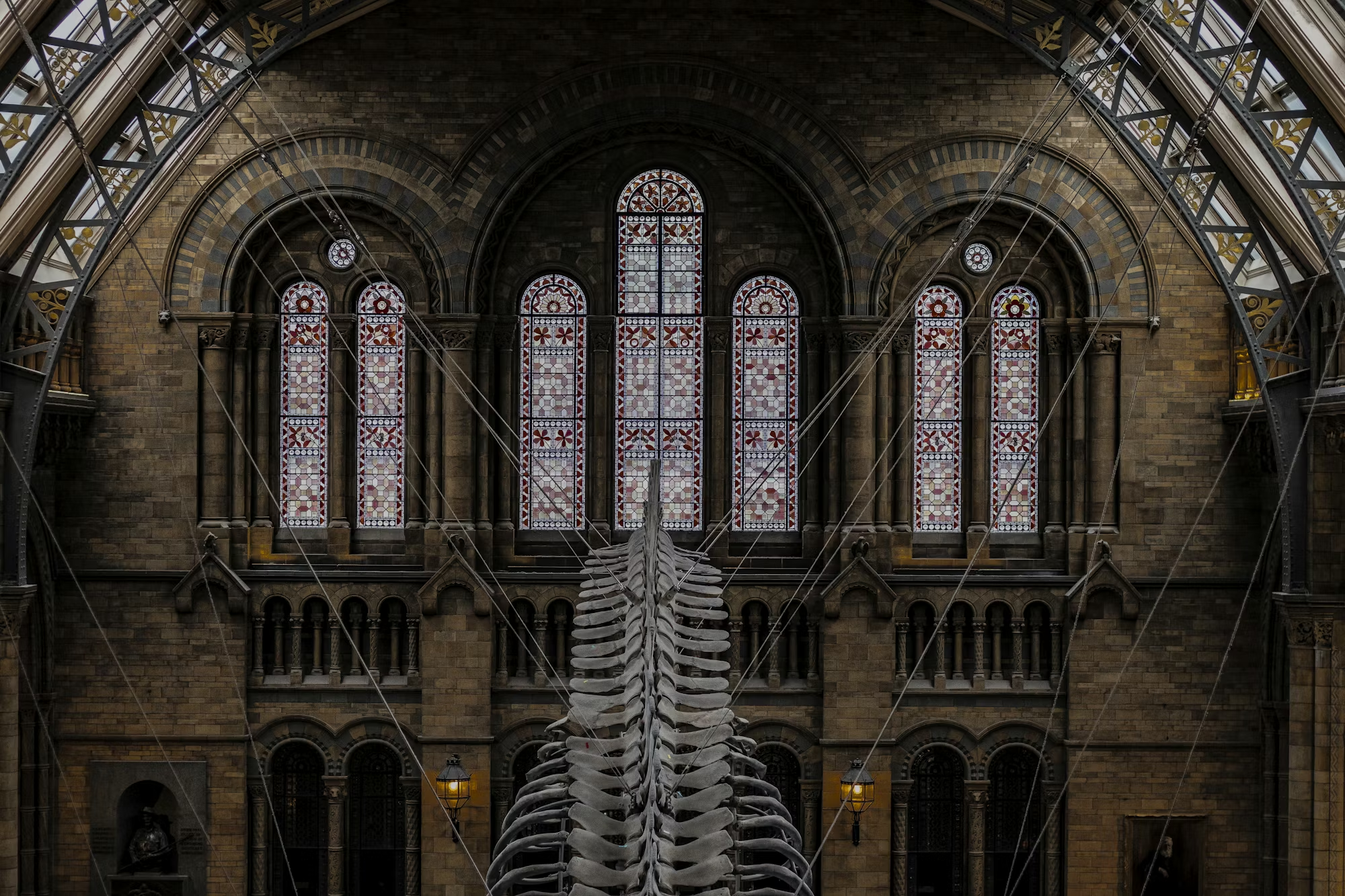
In recent years, museums have undergone a significant transformation, shifting from traditional displays to dynamic and interactive exhibits that captivate audiences of all ages. This evolution reflects a growing understanding of the importance of visitor engagement in the educational mission of museums. Interactive exhibits, characterized by hands-on activities and immersive experiences, allow visitors to explore, experiment, and learn in ways that resonate deeply with their interests and curiosities. This article delves into the various types of museums embracing interactive exhibits, illustrating how these innovations are reshaping the visitor experience.
Art museums, often viewed as serene spaces for contemplation, are now incorporating interactive elements that invite visitors to engage with art on a personal level. Institutions like The Museum of Modern Art (MoMA) have introduced interactive installations that encourage guests to participate in the creative process. For instance, exhibits that allow visitors to contribute their own artwork or respond to prompts through drawing or writing foster a sense of community and personal connection to the art.
Such interactive experiences challenge the notion of passive viewing, transforming visitors into active participants in the artistic dialogue. Guided workshops and collaborative art projects further enhance this engagement, allowing attendees to learn about different artistic techniques while creating their own pieces. By democratizing the art-making process, these museums inspire creativity and help demystify the world of contemporary art.
Natural history museums have also embraced interactive exhibits, turning complex scientific concepts into engaging experiences. The American Museum of Natural History, for example, offers hands-on exhibits where visitors can touch fossils, explore ecosystems, and participate in virtual reality experiences that simulate life in different habitats. These interactive displays not only spark curiosity but also provide essential context for understanding the natural world.
Interactive elements, such as touchscreen displays and augmented reality experiences, help bridge the gap between scientific theory and real-world applications. By inviting visitors to experiment with simulations and engage in scientific inquiry, natural history museums foster a deeper understanding of biodiversity, ecology, and the importance of conservation efforts. Such immersive experiences instill a sense of wonder and respect for the natural world, inspiring visitors to become stewards of the environment.
Science museums are at the forefront of the interactive exhibit movement, designed specifically to encourage exploration and experimentation. Institutions like The Exploratorium in San Francisco offer an array of hands-on exhibits that invite visitors to engage with scientific principles in an entertaining and accessible way. From physics experiments to biology demonstrations, these exhibits empower visitors to investigate concepts through active participation.
The design of science museums often prioritizes open-ended exploration, allowing visitors to follow their interests and ask questions in a supportive environment. Special events, workshops, and demonstrations further enrich the learning experience, enabling families and individuals to delve deeper into scientific topics. By making science tangible and fun, these museums nurture a love for inquiry and discovery, encouraging lifelong learning.
History museums are increasingly incorporating interactive elements to enhance the understanding of historical events and cultural heritage. Institutions like The National Museum of American History feature exhibits that allow visitors to step into the shoes of historical figures or experience pivotal moments in time through immersive displays. Such interactions provide a unique perspective on history, making it relatable and engaging.
For instance, visitors might find themselves in a recreated historical setting, where they can interact with actors portraying key figures or participate in hands-on activities that reflect daily life in a particular era. This experiential approach helps demystify history, enabling visitors to appreciate the complexities of the past while drawing connections to their own lives. By encouraging personal reflection and dialogue, history museums foster a deeper understanding of cultural narratives and collective memory.
Technology museums have embraced interactive exhibits that showcase the innovations that have shaped our world. The Computer History Museum, for example, offers hands-on experiences that allow visitors to explore the evolution of computing technology. From retro gaming stations to coding workshops, these interactive displays engage tech enthusiasts and novices alike.
The interactive nature of technology museums demystifies complex concepts, making them accessible to a broad audience. By inviting visitors to experiment with technology, these institutions promote digital literacy and inspire interest in fields such as computer science and engineering. Workshops and events encourage collaboration and creativity, fostering a community of learners who share a passion for innovation.
Specialty museums cater to niche interests, providing opportunities for interactive engagement that resonate with passionate audiences. For example, the National Baseball Hall of Fame offers interactive exhibits that allow visitors to test their skills in baseball simulations or explore the history of the sport through engaging displays. These personalized experiences create a strong connection between visitors and the subject matter, enhancing their appreciation for the culture and history surrounding their interests.
Children’s museums excel at creating interactive environments that promote learning through play. Institutions like The Children’s Museum of Indianapolis design exhibits that encourage exploration and creativity, allowing children to engage with concepts in a hands-on manner. From building structures to participating in dramatic play, children are given the freedom to learn at their own pace while developing critical thinking skills.
The interactive nature of children’s museums empowers young learners to ask questions, experiment, and collaborate with peers. Programs and workshops are designed to align with educational standards, ensuring that children receive meaningful learning experiences that complement their school curriculum. By fostering a love for learning from an early age, these museums play a crucial role in shaping future generations of curious and engaged citizens.
In today’s digital landscape, virtual museums have emerged as innovative platforms that expand access to cultural experiences. Online exhibitions, virtual tours, and interactive learning resources allow individuals to engage with art, history, and science from the comfort of their homes. Institutions like The Louvre and The British Museum have developed engaging online offerings that maintain the educational mission of museums in a digital format.
Virtual museums provide a valuable opportunity for individuals unable to visit physical locations, ensuring that cultural education is accessible to all. Interactive features, such as quizzes and digital workshops, encourage active engagement, allowing visitors to explore content at their own pace. By leveraging technology, virtual museums foster a sense of connection to cultural heritage and promote ongoing learning in an increasingly interconnected world.
Ethnic and cultural museums are also utilizing interactive elements to celebrate diversity and promote understanding among different communities. Through hands-on exhibits, storytelling sessions, and cultural demonstrations, these institutions provide engaging platforms for dialogue and cultural exchange. Visitors can explore the rich traditions, art, and heritage of specific ethnic groups, fostering appreciation for cultural differences.
The interactive nature of ethnic museums helps visitors connect with diverse narratives and experiences, allowing for a more comprehensive understanding of our shared humanity. Community events and collaborative projects further enhance engagement, encouraging visitors to participate in cultural celebrations and discussions. By promoting inclusivity and respect for diversity, ethnic museums play a vital role in building bridges between communities.
Living museums offer unique interactive experiences that allow visitors to engage with history in a hands-on manner. Institutions like Colonial Williamsburg and Old Sturbridge Village recreate historical settings where visitors can interact with reenactors and participate in traditional crafts and practices. These immersive experiences provide powerful connections to the past, enhancing visitors’ understanding of cultural practices and values.
In conclusion, the rise of interactive exhibits marks a new era in museum engagement, transforming the way visitors experience and learn from these institutions. By fostering active participation and exploration, museums are making education more accessible and enjoyable. Whether through art, science, history, or culture, interactive exhibits are enhancing the visitor experience, inspiring curiosity, and promoting lifelong learning. As museums continue to evolve, they remain essential spaces for discovery, connection, and understanding in an ever-changing world.